Sew Lucky: A Whimsical Color Font for Handmade Branding
I was staring at a blank Canva template, trying to design a label for my new batch of lavender soy candles. The jar was simple amber glass, the wax was creamy white, and the rest of my design assets were neutral kraft paper tags. It felt… safe. But it also felt invisible. I needed something that whispered “handmade with love” without shouting or looking cluttered. That’s when I pulled up Sew Lucky, a full-color font that promises whimsy through stitches, buttons, and clovers.
As someone who spends half my life cutting vinyl and the other half designing digital printables, I’m picky about fonts. I need them to look good on screen, but more importantly, I need them to translate beautifully onto physical products. After spending an afternoon testing Sew Lucky on everything from sticker sheets to tote bag mockups, here is my honest review of how this creative font performs in the real world of handmade commerce.
Visual Personality and Creative Appeal
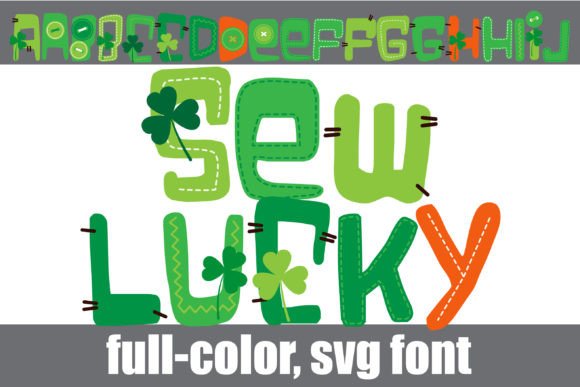
Sew Lucky isn’t just a typeface; it’s a collection of graphic elements disguised as letters. The primary palette is a lush, earthy green, evoking feelings of growth, nature, and calm. Each character is adorned with tiny embroidered details—little stitch lines running through the stems, miniature buttons acting as dots, and four-leaf clovers tucked into ascenders and descenders.
The visual mood is undeniably cozy. It leans heavily into the “cottagecore” aesthetic, which has been dominating the handmade market for years. When you place Sew Lucky on a design, it immediately signals that the product inside is organic, artisanal, or crafted by hand. It feels warm and inviting, making it perfect for brands that want to establish an emotional connection with their customers before they even touch the product.
One of the standout features is the alt case. Through your system’s font settings, you can access additional color variations for each letter. This allows for subtle gradients and mixed textures within a single word. For example, the word “Lucky” might feature alternating shades of green, giving it a woven, textile-like appearance that mimics actual embroidery. This adds a layer of depth that standard monochrome fonts simply cannot achieve.
Testing on Real Product Mockups
To truly understand if Sew Lucky works for business owners, I moved beyond the screen and tested it on various physical and digital outputs. Here is how it performed across different use cases.
- Candle and Soap Labels: This is where Sew Lucky shines brightest. On a small square label, the decorative elements don’t get lost. In fact, the button accents add a tactile quality that makes the label feel premium. It pairs beautifully with minimalist photography of ingredients or raw materials.
- Greeting Cards and Invitations: I used the font for a birthday invitation header. The whimsical nature of the stitches made the card feel personal and celebratory. However, because the font is highly decorative, I kept the body text very simple. The contrast between the fancy header and clean supporting text created a balanced hierarchy.
- Sticker Sheets: When designing die-cut stickers, Sew Lucky holds its shape well. The distinct outlines of the letters ensure that the cut line is clear. The green color palette stands out vibrantly against white or pastel backgrounds, making these stickers eye-catching in social media thumbnails.
- Tote Bags and Apparel: For large format prints like tote bags, the font scales up effectively. The boldness of the letters ensures readability from a distance. I found that using the alt colors helped break up the visual weight, preventing the text from looking too heavy on fabric.
Readability and Practical Usage
While Sew Lucky is charming, it is not a Swiss Army knife. It is a display font, meaning it is designed for impact, not endurance. Understanding its limitations is key to using it successfully in your shop branding.
Best Uses:
- Short Phrases and Titles: Words like “Bloom,” “Craft,” “Lucky,” or short slogans work perfectly. The decorative elements are readable when the letter count is low.
- Product Names: Using Sew Lucky for your brand name or specific product titles adds immediate personality.
- Seasonal Graphics: The clover and green theme is ideal for St. Patrick’s Day, spring launches, or eco-friendly marketing campaigns.
Limited Uses:
Avoid using Sew Lucky for long paragraphs, ingredient lists, or shipping instructions. The intricate details become muddy when the text size drops below 12 points. On tiny product tags, the buttons and stitches may disappear entirely, leaving behind a blobby shape that is hard to read. Additionally, dense blocks of text can overwhelm the viewer, causing them to scroll past your listing. Always reserve this creative font for headlines and accents.
Font Pairing Strategies
To make Sew Lucky work effectively, you need a strong partner. Because the font is so busy, it needs a calm companion to ground the design. I recommend pairing it with a clean sans serif font for body copy. A geometric sans serif provides a modern contrast that keeps the overall design feeling professional rather than chaotic.
For a more rustic vibe, a simple handwritten font can complement the stitched aesthetic, creating a cohesive “crafty” look. Avoid pairing it with other decorative fonts, such as script or brush styles, as this will create visual noise. The goal is to let Sew Lucky be the star while the supporting typography handles the information.
Digital Performance and Licensing
In the age of online shopping, your font must perform well on screens. Sew Lucky, being a Color Font, renders beautifully on high-resolution displays. It looks sharp on mobile devices, which is crucial since most Etsy shoppers browse on their phones. The vibrant greens pop on both light and dark backgrounds, though I found that a soft cream background enhances the natural feel of the green palette more than stark white.
Before purchasing, always check the file formats and licensing terms. Ensure you have the rights to use the font for commercial purposes, especially if you are selling physical products like shirts, mugs, or printed stationery. Some color fonts require specific software versions to render correctly, so verify compatibility with your design tools, whether that’s Adobe Illustrator, Photoshop, or Cricut Design Space.
Ultimately, Sew Lucky is a delightful addition to any designer’s toolkit. It captures the essence of handmade craftsmanship in a digital format. Whether you are labeling jars, designing invitations, or updating your website’s hero banner, this font adds a touch of whimsy that resonates with customers who value authenticity and care. Just remember to use it sparingly, pair it wisely, and let its unique charm do the talking.