Whatcha Wildflower: A Whimsical Color Font for Handmade Crafts
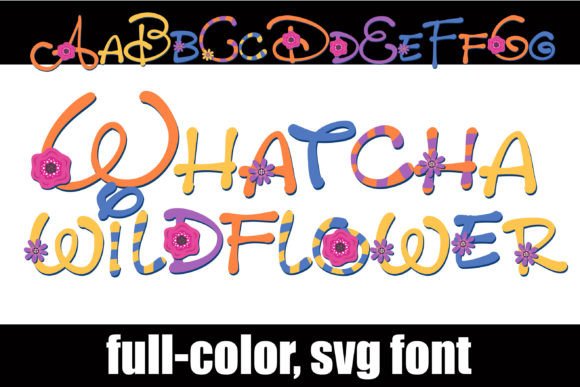
As a creator who spends as much time designing product labels as I do cutting vinyl for custom signs, I know that the right typography can make or break a handmade item. It is not just about legibility; it is about setting a mood before the customer even touches the product. That is exactly why Whatcha Wildflower has become a staple in my design toolkit. This full-color font features whimsical florals on colorful, hand-written print, offering a level of charm and personality that standard black-and-white typefaces simply cannot match. For those of us selling on Etsy, creating digital printables, or running a boutique brand, having access to a creative font that does the heavy lifting of decoration while maintaining readability is invaluable.
Visual Personality and Creative Appeal
At first glance, Whatcha Wildflower feels like a burst of spring energy. The base style is a friendly, casual handwritten print that feels approachable and warm. However, what truly sets this typeface apart is its integration of floral elements directly into the letterforms. These are not stiff, clip-art flowers; they are organic, painterly, and integrated seamlessly with the strokes of the letters. Because it is a color font, each character carries its own palette of greens, pinks, yellows, and earth tones, allowing you to create vibrant, eye-catching designs without needing to manually place graphics behind every word.
The visual personality of Whatcha Wildflower is distinctly feminine, rustic, and joyful. It evokes feelings of garden parties, farmers' markets, and cozy cottage aesthetics. When you use this font on a physical product, such as a sticker for a jar of homemade jam or a tag on a knitted scarf, it immediately signals quality and care. It suggests that the maker put thought into the details, which helps build trust with your audience. In the world of handmade goods, where customers often buy the story as much as the item, this font tells a story of nature, creativity, and personal touch.
Practical Applications for Crafters and Sellers
The versatility of Whatcha Wildflower makes it suitable for a wide array of craft projects. Because the font handles short phrases exceptionally well, it is perfect for decorative wording where impact matters more than length. Here are some specific ways I have used it to enhance product presentation:
- Product Labels and Packaging: Imagine using Whatcha Wildflower for candle labels, soap tags, or boutique packaging. The colorful florals add an immediate premium feel, making a simple glass jar look like a high-end gift. It works beautifully for seasonal packaging, such as Easter baskets or Christmas ornaments, by simply swapping out the color accents if the software allows.
- Invitations and Stationery: For wedding invitations, baby shower cards, or birthday party invites, this font adds a whimsical touch that guests will remember. It pairs naturally with watercolor backgrounds or kraft paper textures. Using it for names or titles on save-the-dates creates an instant focal point.
- Stickers and Decals: When designing die-cut stickers for planners or laptops, the full-color capability means you don’t need to layer multiple colors in your cutting software. You can export a single PNG or PDF with all colors intact, saving time and reducing errors during production.
- Home Decor and Signs: For farmhouse-style wall art or wooden signs, Whatcha Wildflower brings warmth to inspirational quotes or nursery decor. Its handwritten style feels less corporate and more personal, which resonates strongly with buyers looking for unique home accents.
- Digital Printables: If you sell printable wall art or planner pages, this font serves as a strong display element. It draws the eye and anchors the design, allowing you to leave ample white space around it for a clean, modern look.
Readability and Design Considerations
While Whatcha Wildflower is undeniably attractive, it is important to use it strategically. As a display font, it is best suited for short phrases, names, titles, and keywords rather than long paragraphs of text. The floral decorations within the letters can become cluttered if the text is too small or dense. For instance, when designing small product labels or stickers, ensure there is enough contrast between the font colors and the background. If the background is busy, the intricate details of the flowers might get lost, reducing readability.
For cutting machines like Cricut or Silhouette, the OpenType full-compatibility is a huge advantage. You can access alternate characters (alt cases) that feature additional colors through your system’s glyph map or the software’s interface. This allows you to customize individual letters in a word, perhaps changing the color of a flower on a specific letter to match your brand palette. However, always preview your design at the actual size you intend to cut or print. What looks balanced on a screen might appear cramped on a 2-inch sticker.
Font Pairing and Brand Consistency
To maximize the impact of Whatcha Wildflower, pair it with simpler typefaces. Since this font is expressive and detailed, it needs breathing room. I recommend pairing it with a clean sans serif font for body text or secondary information, such as ingredients, pricing, or contact details. The contrast between the playful, colorful handwritten style and the structured, minimal sans serif creates a professional hierarchy that guides the viewer’s eye.
Alternatively, for a more romantic or vintage aesthetic, you can pair it with a delicate script font for accents, though care must be taken to ensure the scripts do not compete for attention. Consistency is key for brand identity. By sticking to a limited color palette across your products—using the natural tones found in Whatcha Wildflower—you create a cohesive look that makes your shop recognizable. Whether you are designing social media graphics, web design elements, or logo design assets, maintaining this visual consistency helps customers connect with your brand.
Licensing and Commercial Use
For handmade sellers and small business owners, understanding commercial font licensing is crucial. Before using Whatcha Wildflower for any products intended for sale, including physical merchandise, templates, printables, SVG designs, or client work, please review the specific license agreement provided by the font creator. Most premium fonts allow for commercial use on physical goods, but restrictions may apply to digital resale or unlimited printing runs. Ensuring you have the correct license protects your business and respects the intellectual property of the designer. By choosing a well-designed, legally licensed font like Whatcha Wildflower, you invest in the longevity and professionalism of your handmade brand.